
7 min read
20 tint vs 15: the side-by-side comparison
Five points apart on the shade card, a quarter darker in practice, and the difference only really shows after dark. Neither is legal on California front windows.
Read the guide →Costs, care and California rules, answered plainly by the crew that has been detailing across San Diego County since 1994.
7 min read
Five points apart on the shade card, a quarter darker in practice, and the difference only really shows after dark. Neither is legal on California front windows.
Read the guide →
7 min read
One absorbs damage, the other changes how the car looks. The overlap between them is far smaller than most people assume.
Read the guide →
6 min read
One touches your paint and cleans better. One never touches it and cleans less. Which is safer depends far more on how the site is maintained than on the design.
Read the guide →
8 min read
Wax has protected paint for a century and still works. A coating does the same job for years instead of weeks, at several times the price. Whether that trade is worth it depends on the car and the owner.
Read the guide →
10 min read
The comparison we get asked about most, because both options are genuinely reasonable. We stock both, so this is not a sales pitch for the expensive one.
Read the guide →
10 min read
PPF and ceramic coating get presented as competing choices, and that framing is why people buy the wrong one. They protect against different things.
Read the guide →
9 min read
Months against years, and knowing which job you are buying is what stops you overpaying at a dealership finance desk.
Read the guide →
8 min read
Slightly the wrong question, because a wrap and a coating are not really competing. One changes what the car looks like. The other changes how the surface behaves.
Read the guide →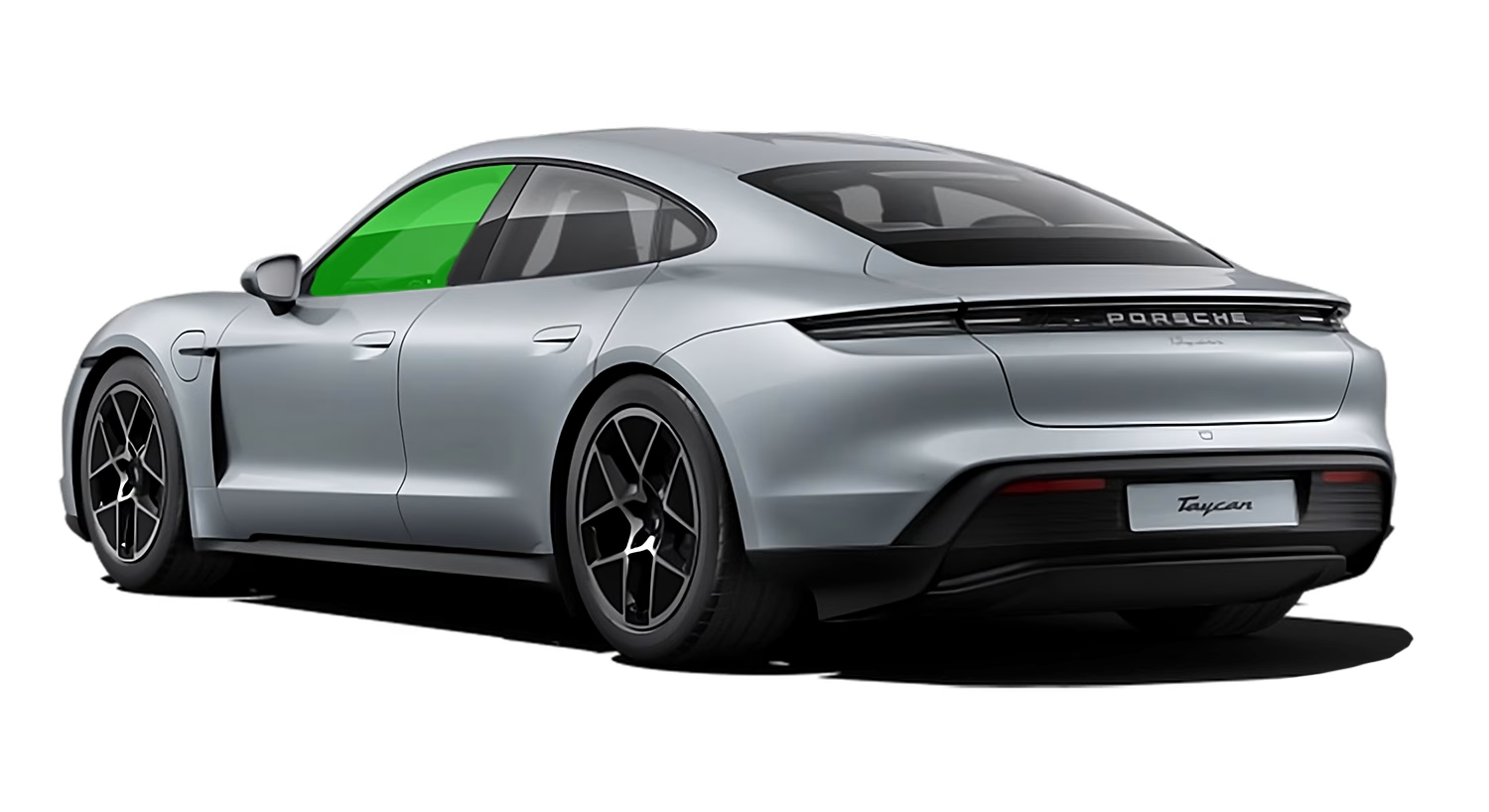
11 min read
This is the comparison where the cheaper film carries a genuine functional drawback rather than just weaker performance: metal in the glass.
Read the guide →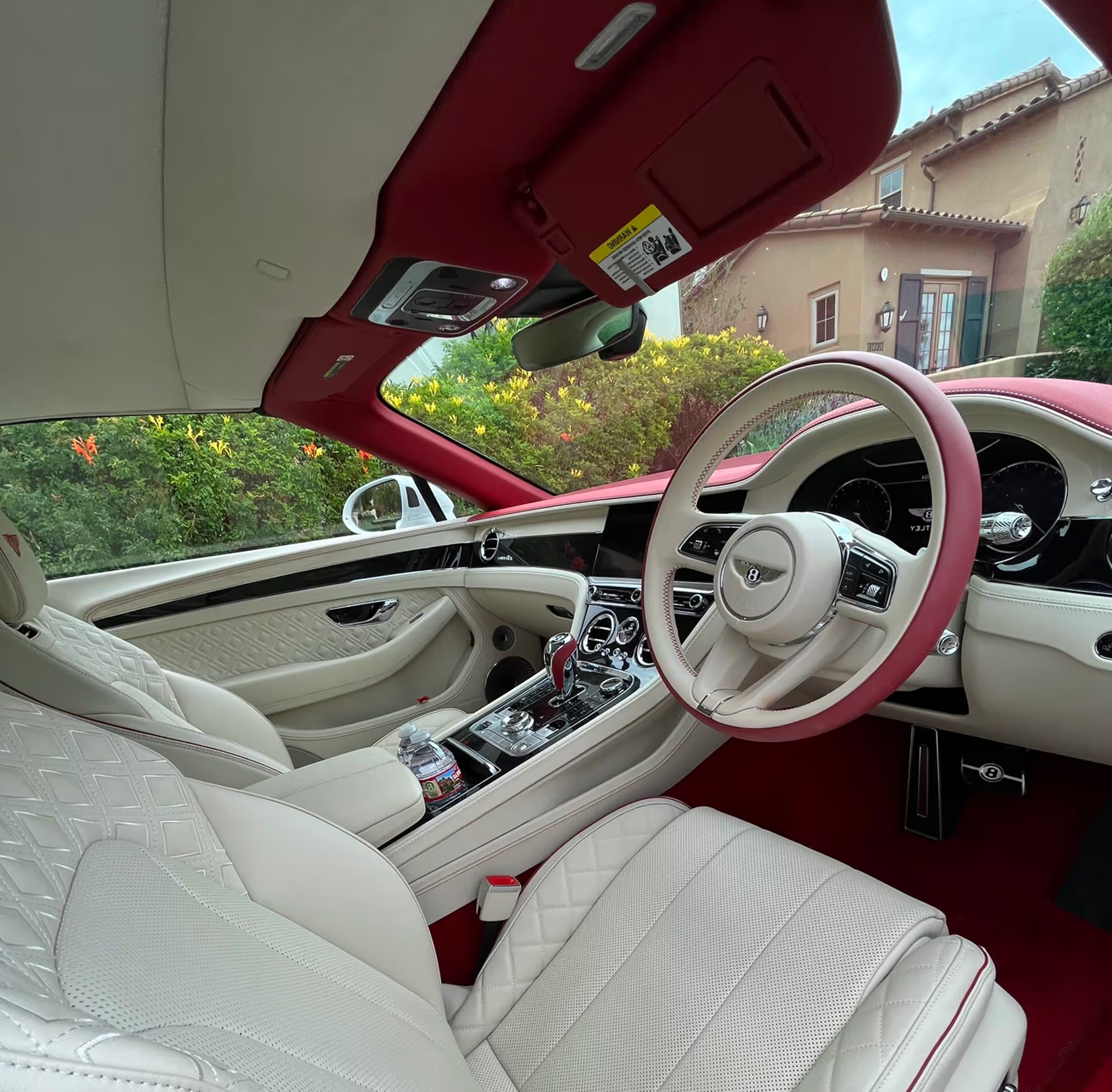
10 min read
The chemistry is closer than the branding suggests, and once you know what is actually in the bottle the comparison becomes much easier to judge.
Read the guide →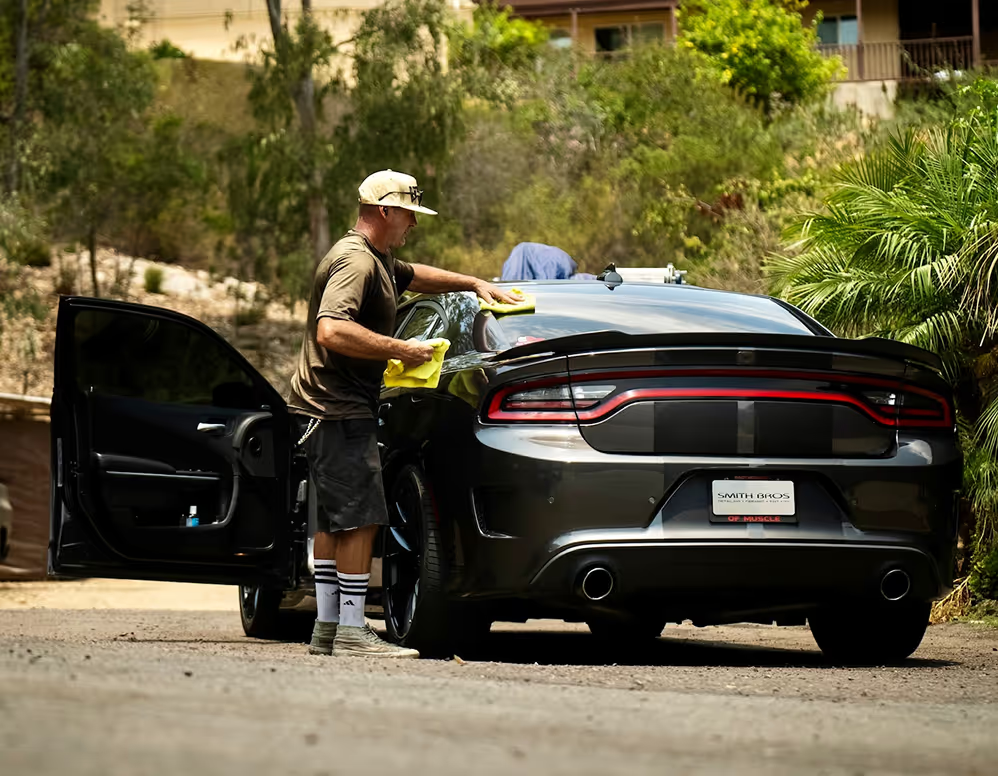
7 min read
Nano refers to particle size, and essentially every quality film in this category already uses nano-scale particles. A specification detail that became a marketing term.
Read the guide →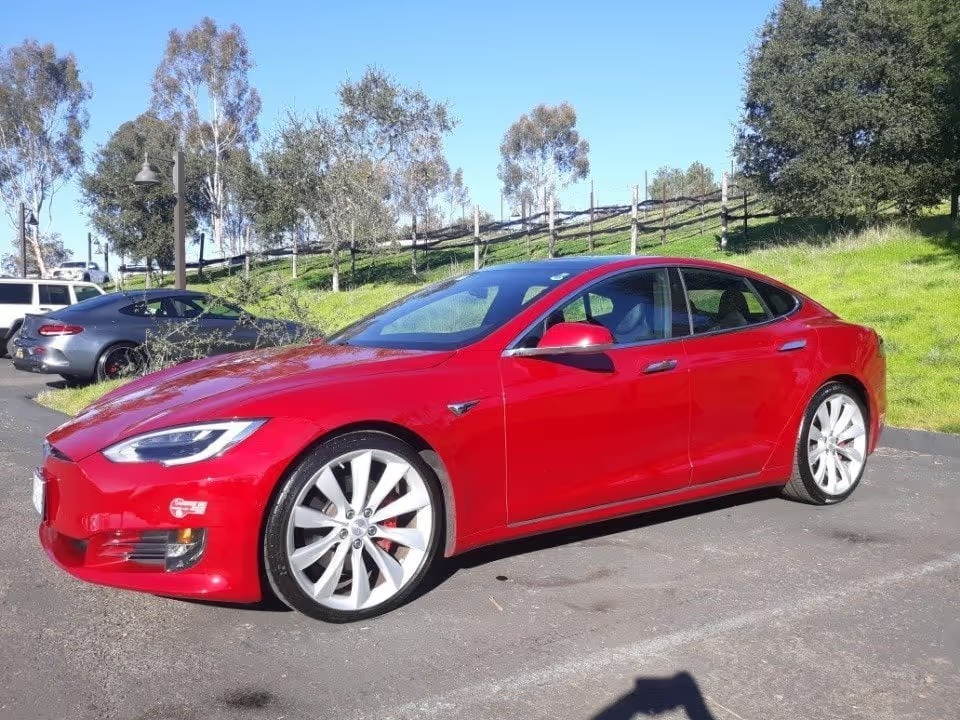
9 min read
The most common shade decision in tinting, usually made from photos of other people's cars. The real difference shows up at night, and photos cannot capture it.
Read the guide →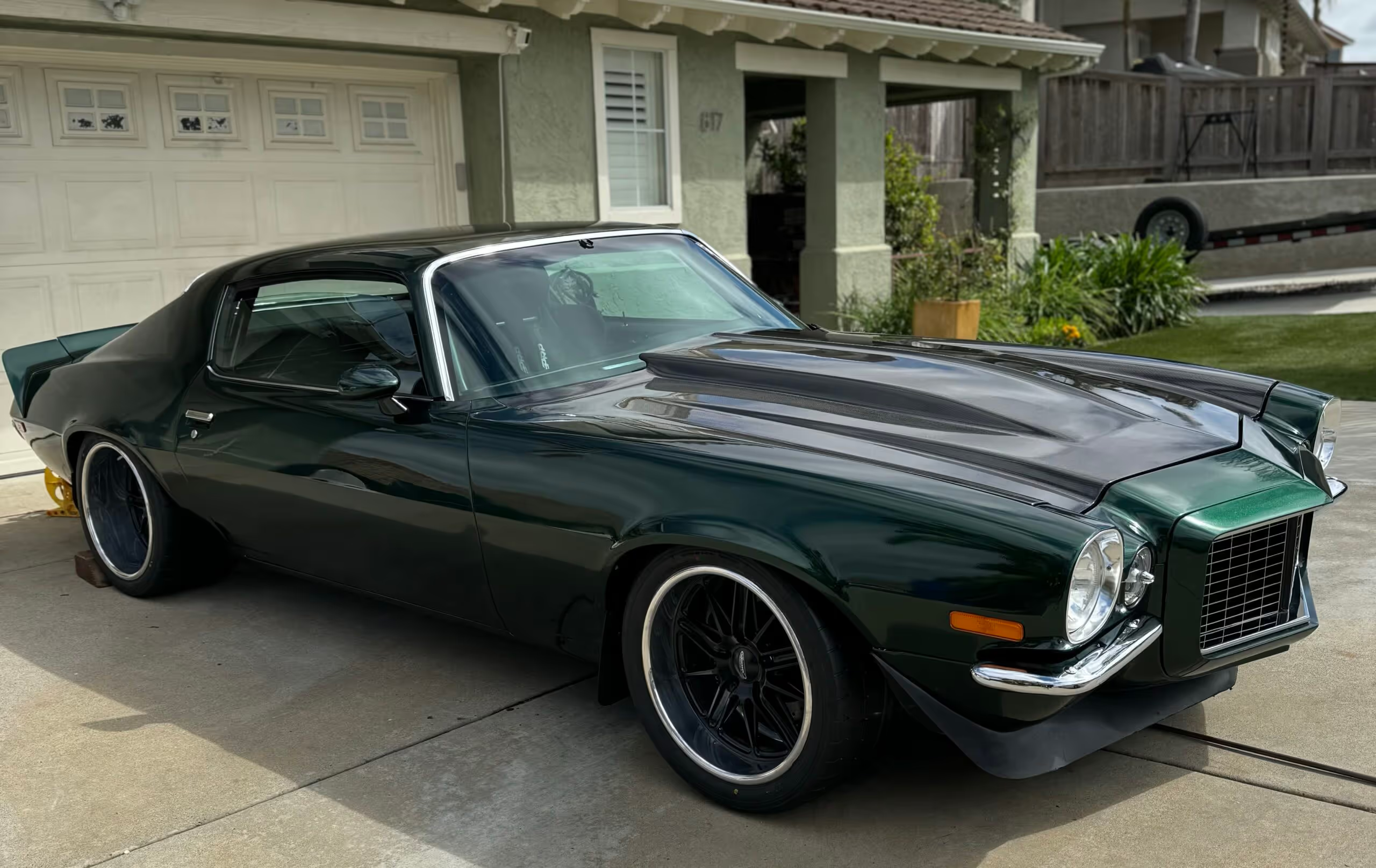
8 min read
30% sits in the gap between the two most common shades on the board, and whether you can actually get it depends on which film line you are buying.
Read the guide →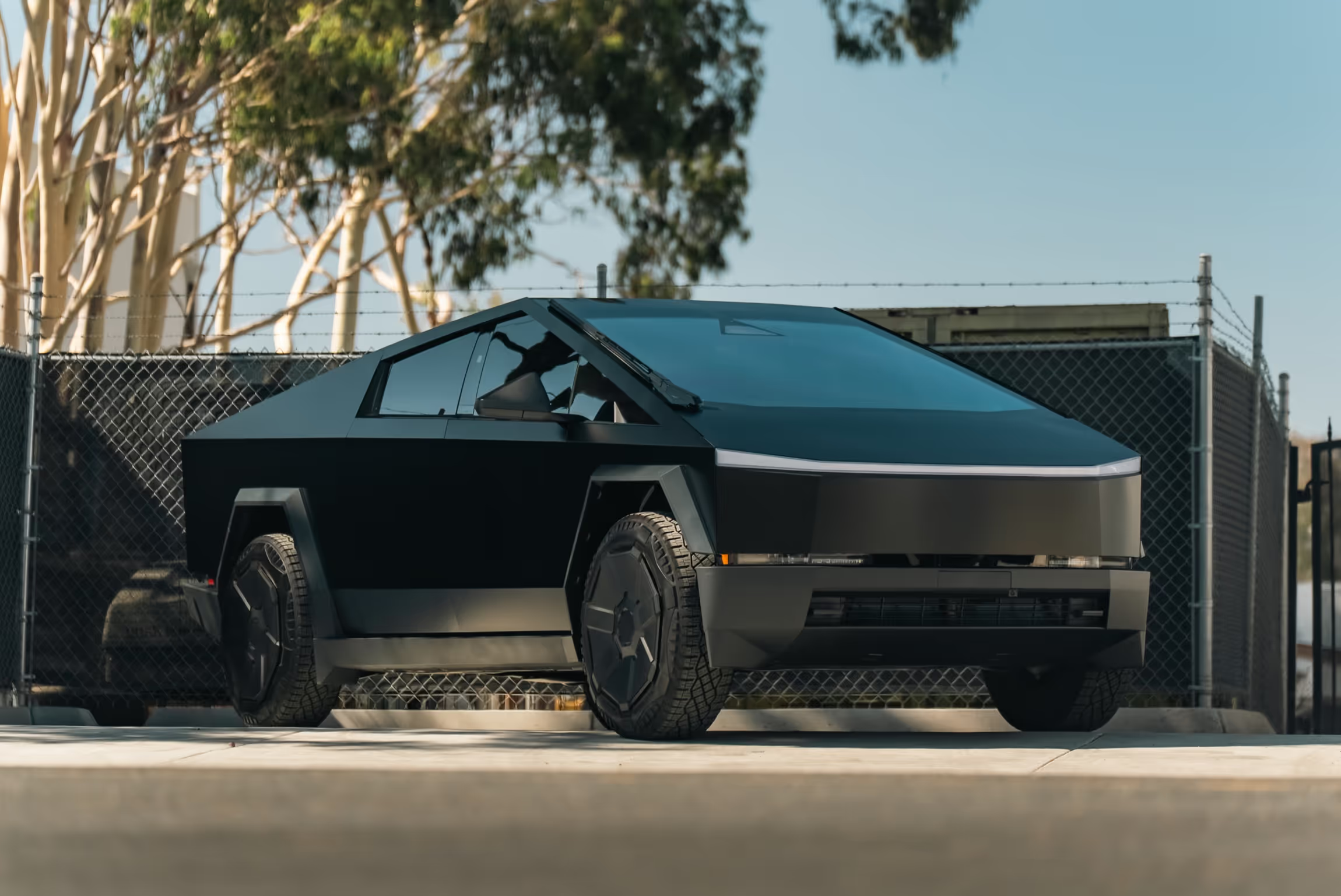
10 min read
5% is not simply one more step down the scale. It is the end of the scale, and it changes how you interact with the vehicle.
Read the guide →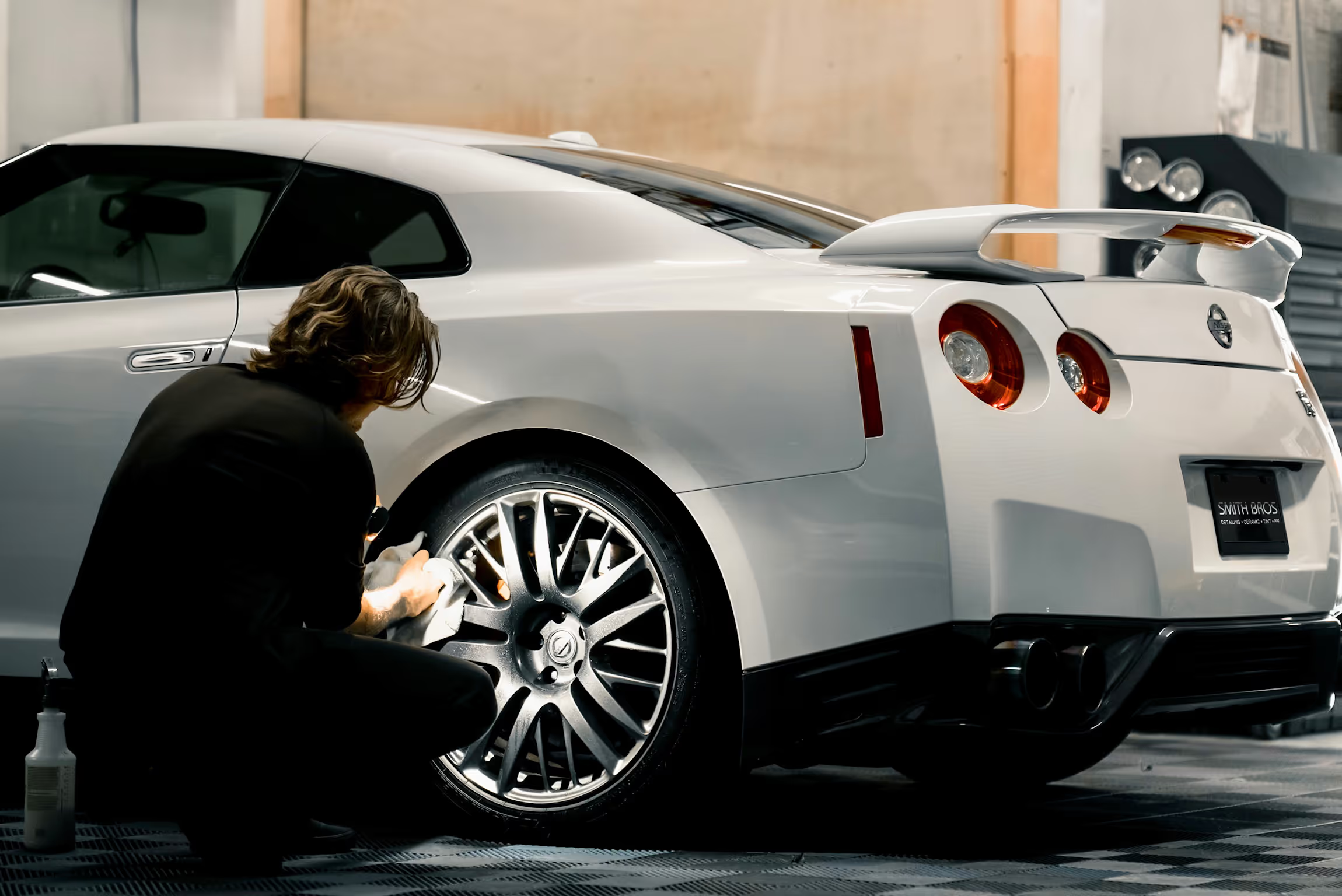
8 min read
50% is the shade for people who were not sure they wanted tint at all. Visible up close, invisible in a parking lot, and a real difference in glare and UV.
Read the guide →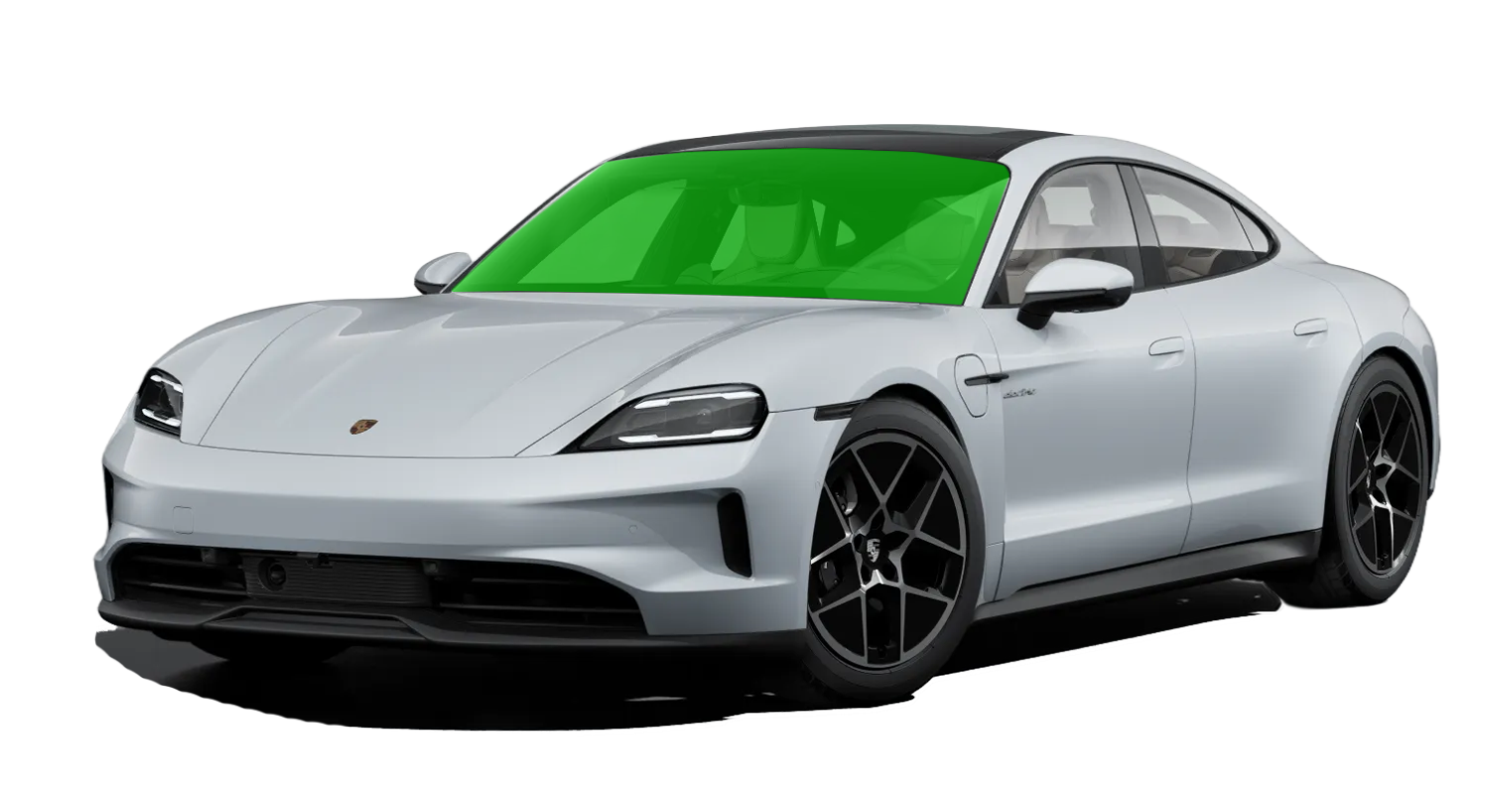
8 min read
Film for the front glass is a different purchase from the rest of the car, and the shade question has a different answer here than anywhere else on the vehicle.
Read the guide →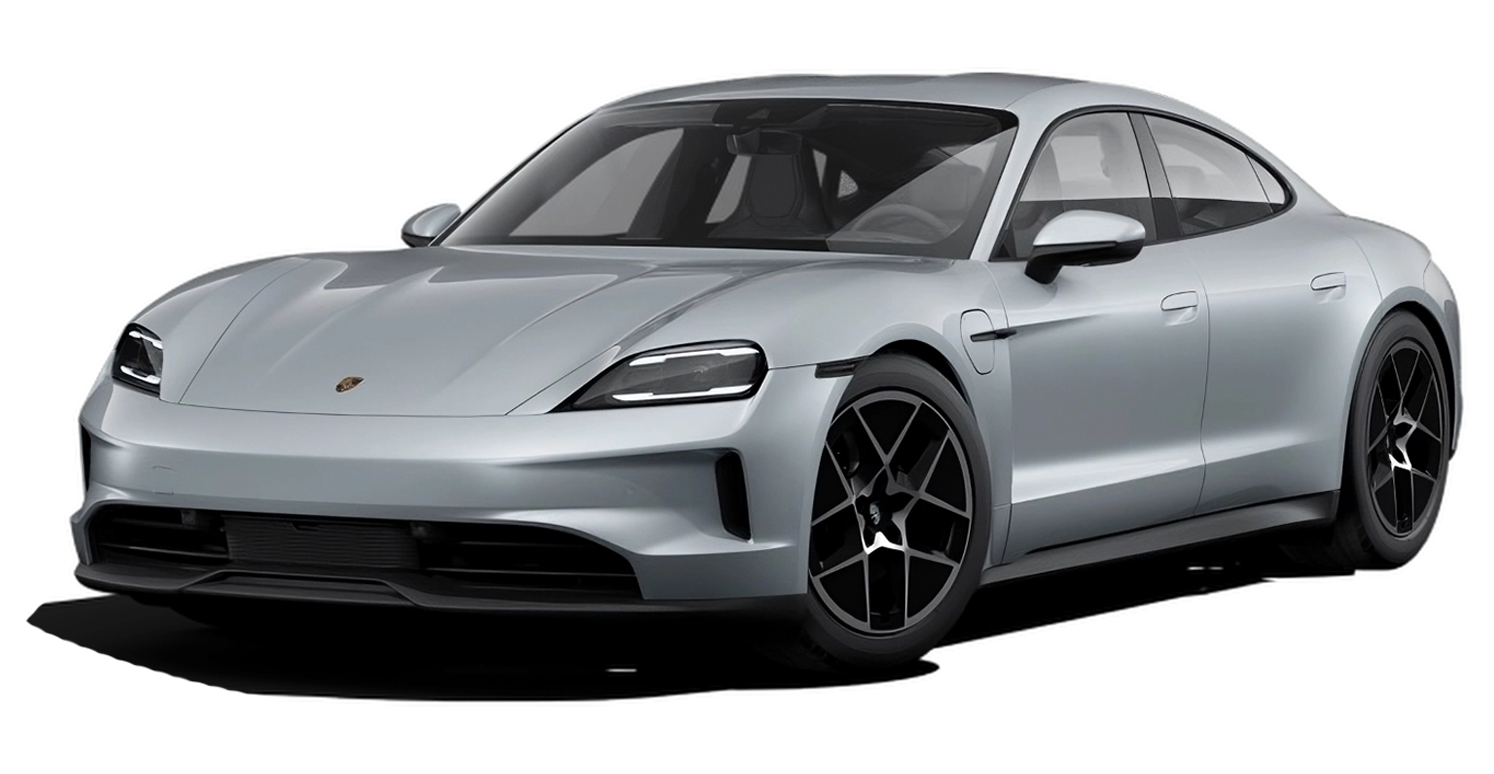
11 min read
If a film is close to invisible, what is the point of fitting it at all? The answer is the invisible two-thirds of sunlight: UV and heat.
Read the guide →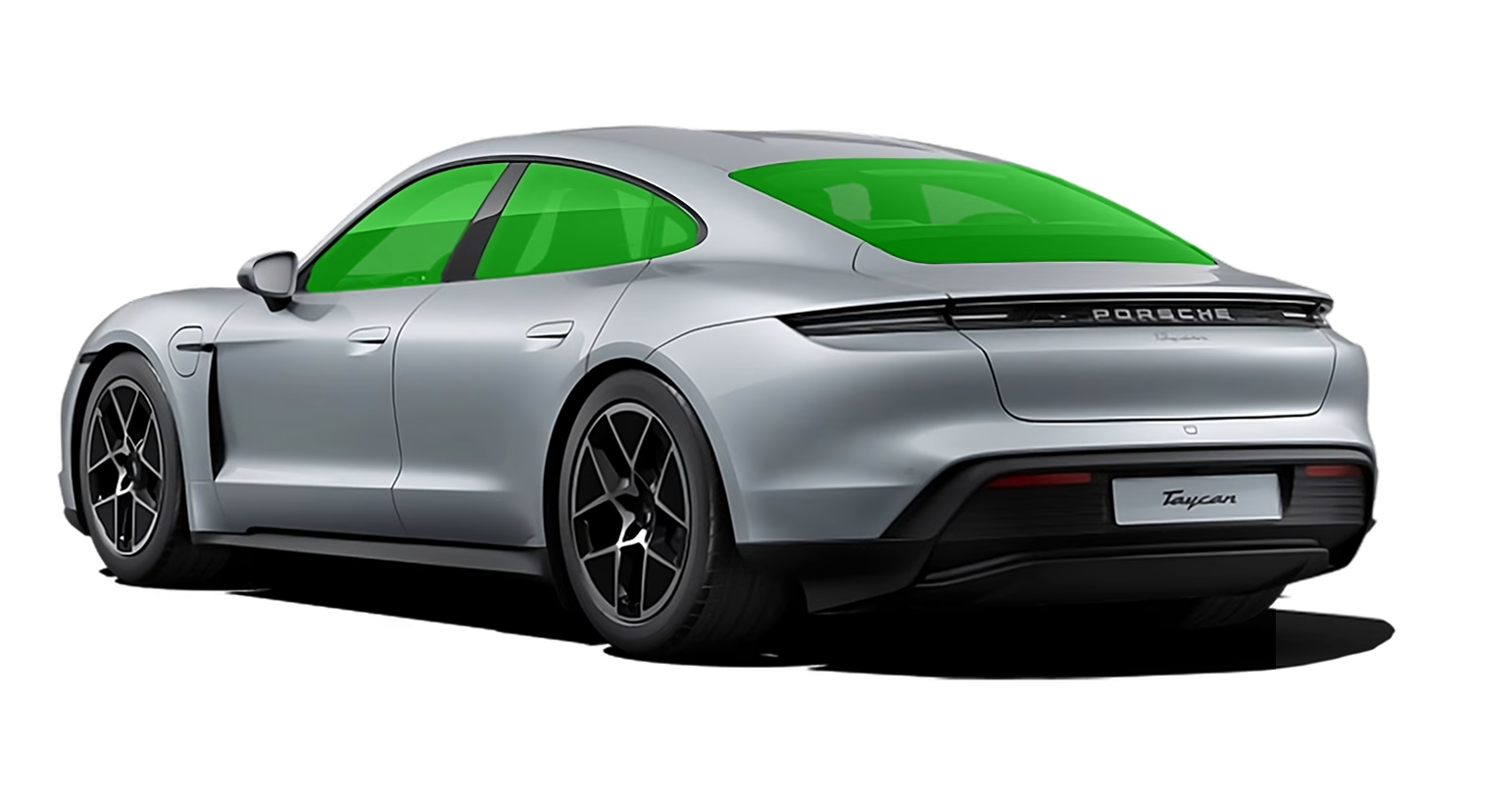
10 min read
Two cars can have film that looks the same, cost three times different, and behave nothing alike on a hot afternoon. The reason is not the shade.
Read the guide →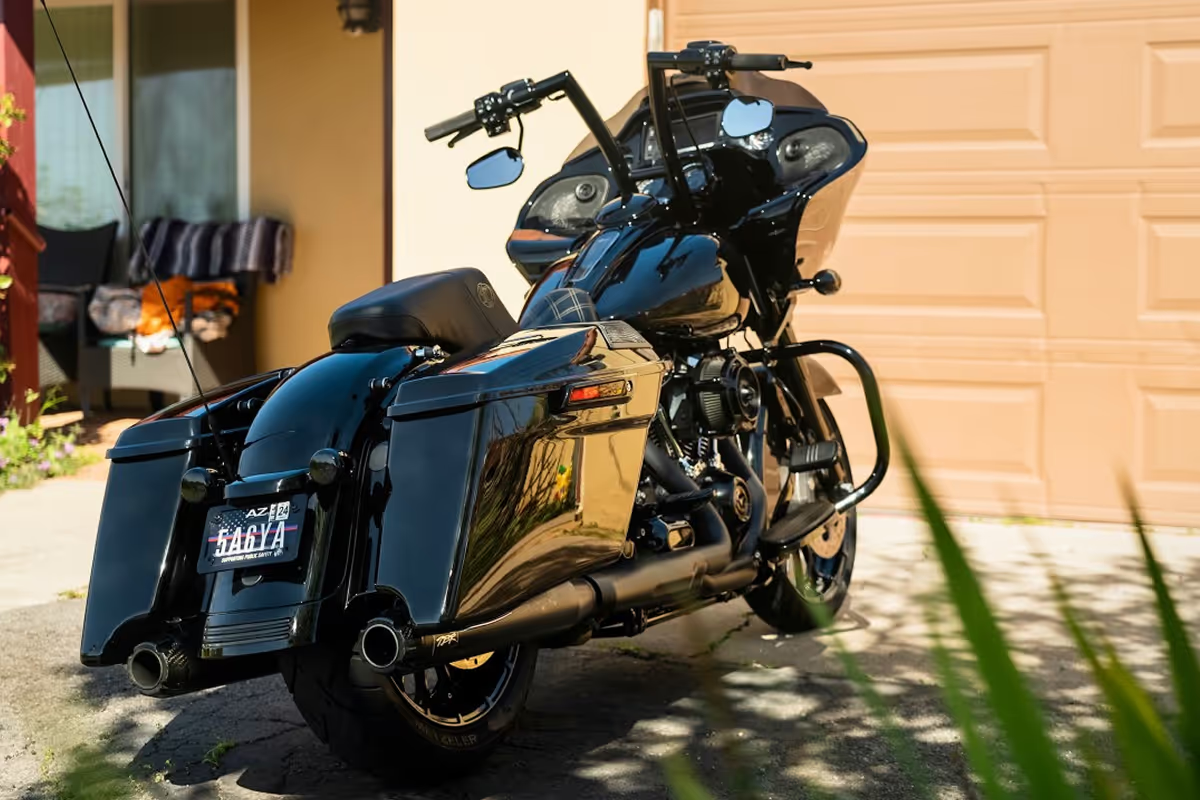
8 min read
Averages hide more than they reveal with detailing. Here is the real spread, why quotes differ so much, and which number applies to your vehicle.
Read the guide →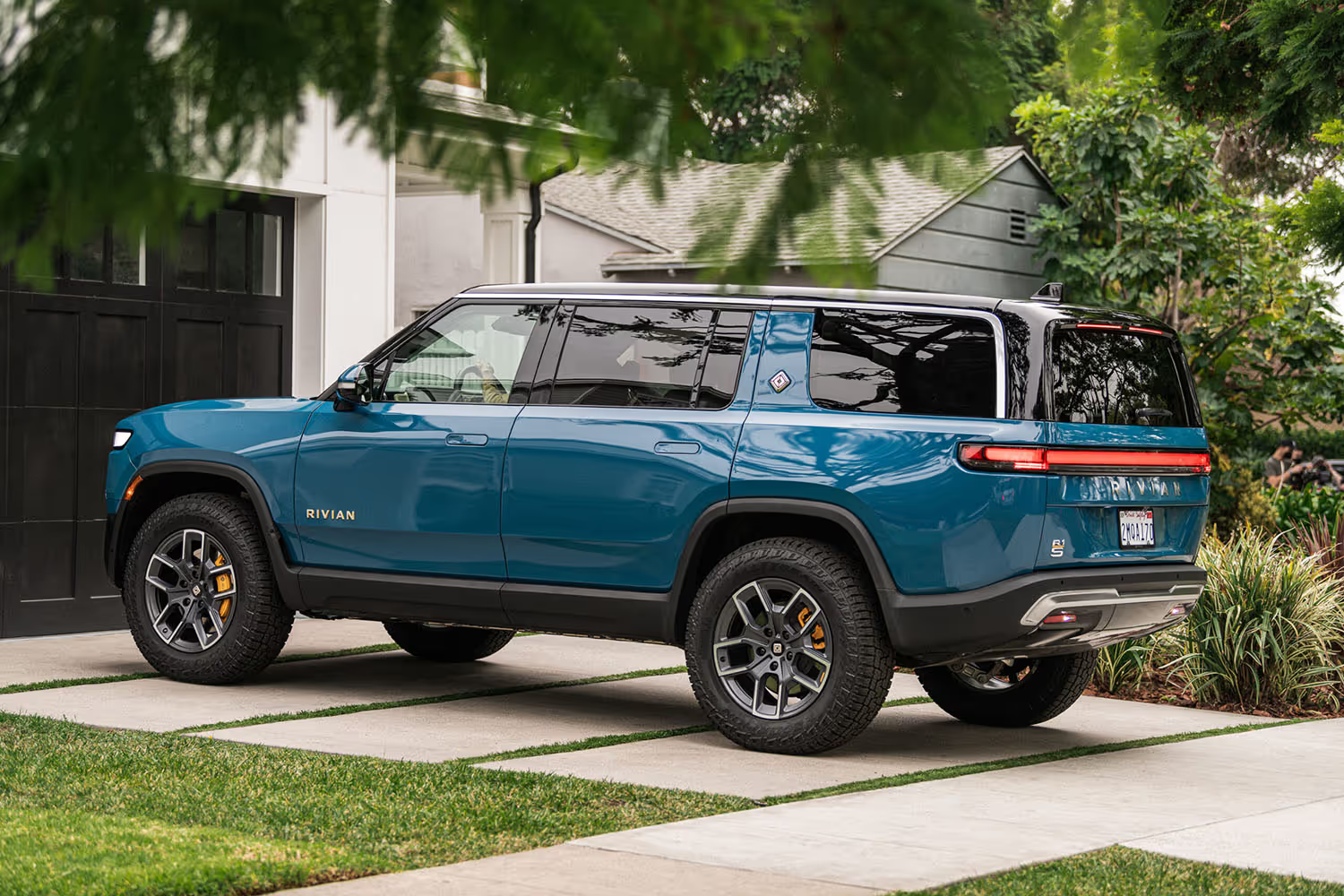
7 min read
Early morning or early evening, and never in direct sun on hot paint. The reason has less to do with comfort than with what hard water does when it dries.
Read the guide →
7 min read
Some things wash off. Some bond to the clear coat and some eat into it. Here are the worst offenders on San Diego paint, ranked by how much damage they do.
Read the guide →
7 min read
Nobody wants to get this wrong in their own driveway. The short answer is 10 to 20 percent if you were happy, and here is how to decide where you land.
Read the guide →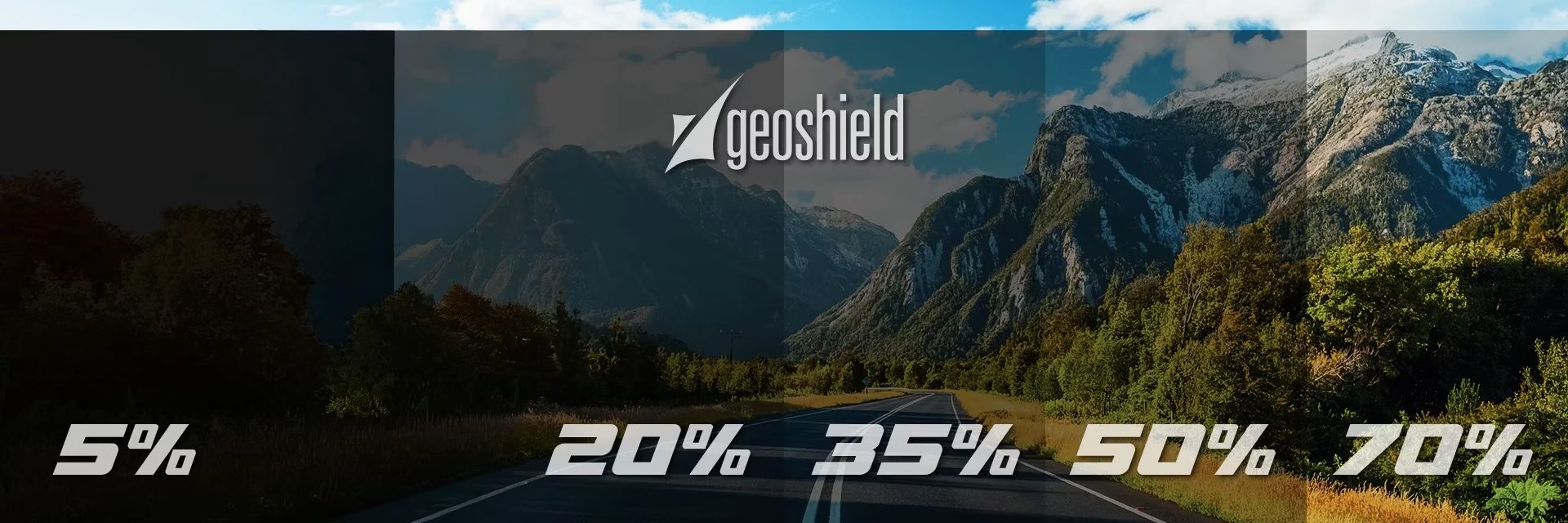
6 min read
It depends entirely on which window. On the rear, 20% is fine. On the front side windows it is not, and San Diego enforces it. Here is what California law actually says.
Read the guide →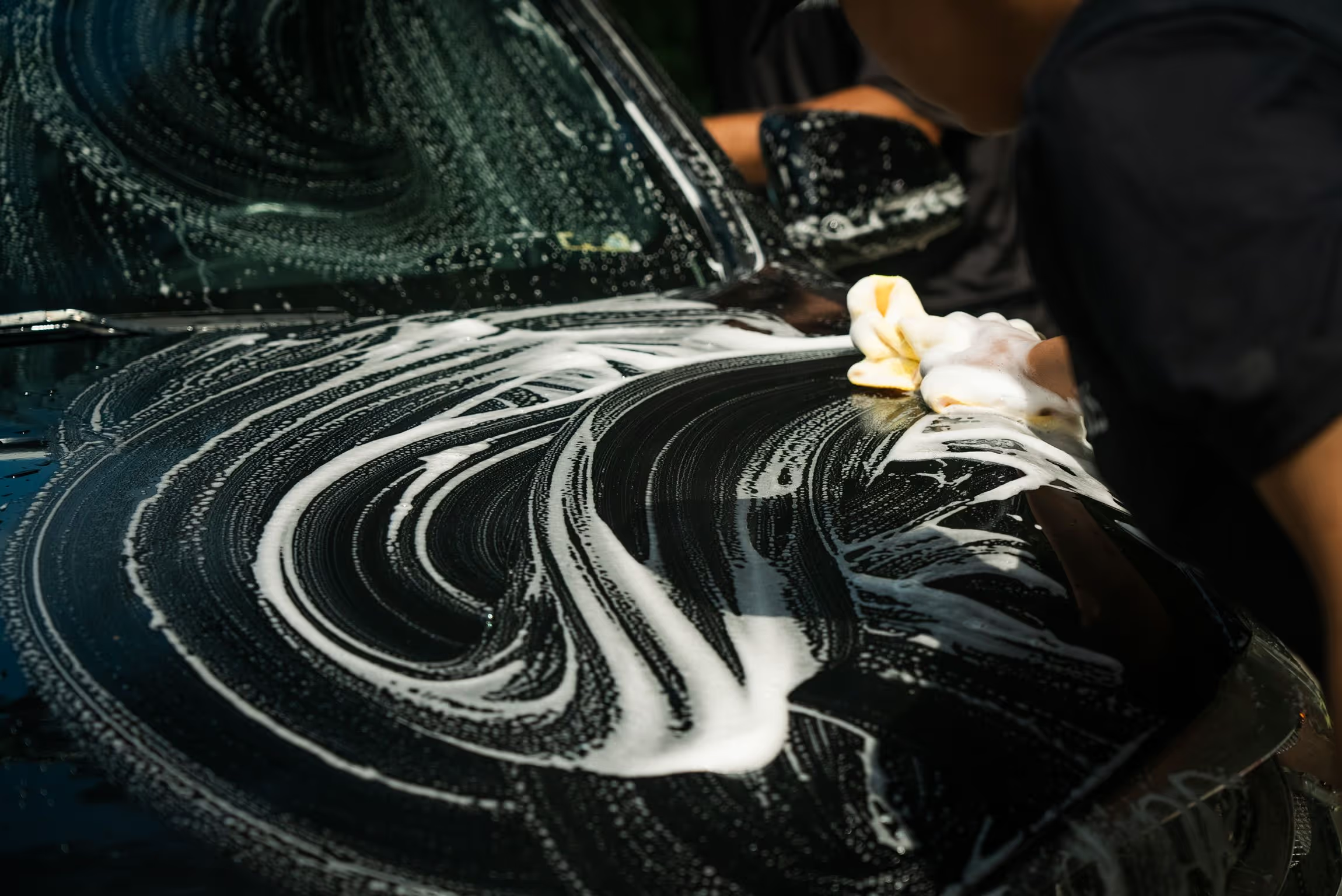
7 min read
Yes, but with a catch that most people do not know about. San Diego stormwater rules care less about the washing and more about where the runoff ends up.
Read the guide →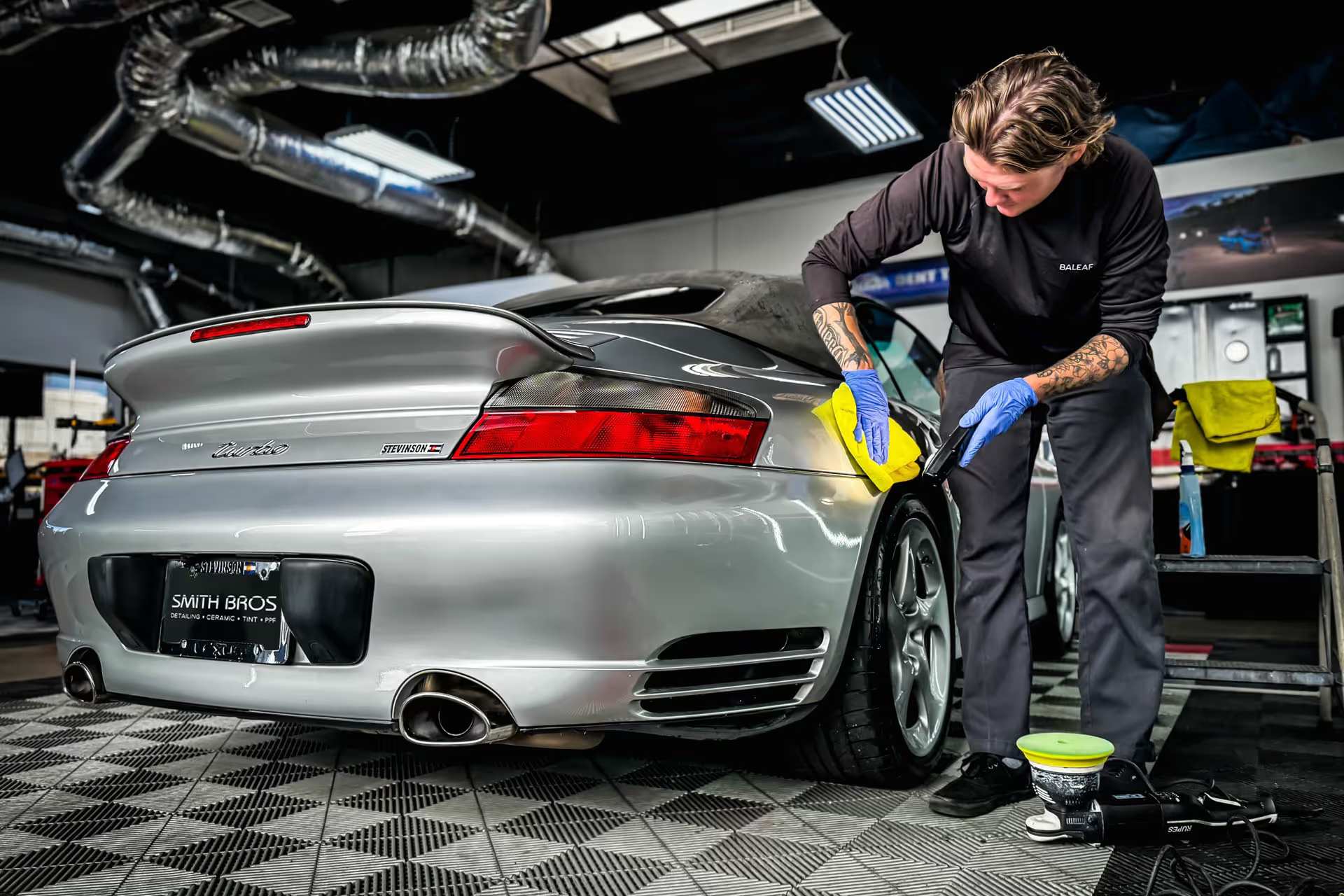
8 min read
An honest answer, including the cases where it is not. The value depends on what you drive, where you park it, and how long you plan to keep it.
Read the guide →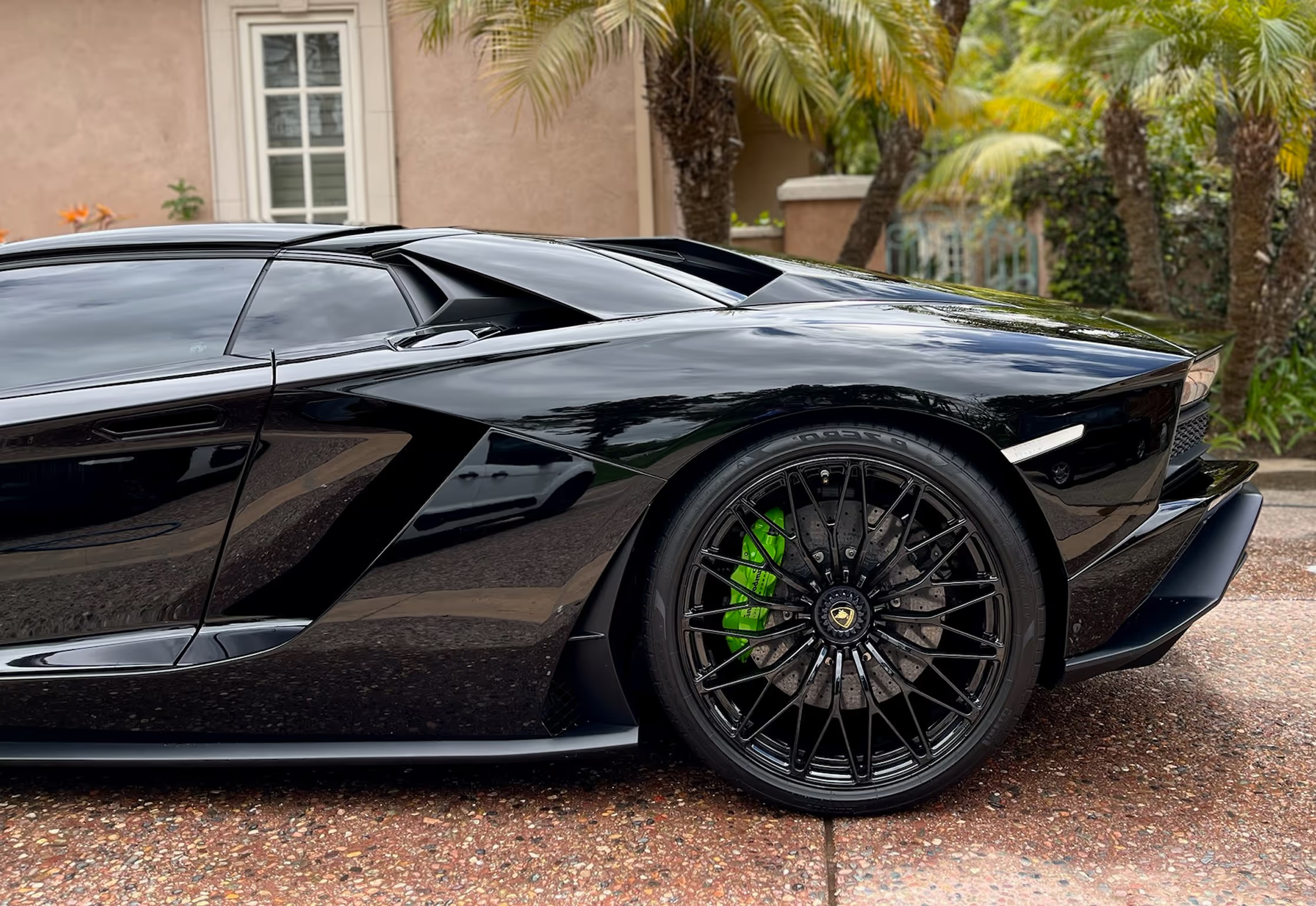
6 min read
Black wins by a wide margin, and not for the reason most people assume. Here is what each color hides, what it shows, and what to do about it.
Read the guide →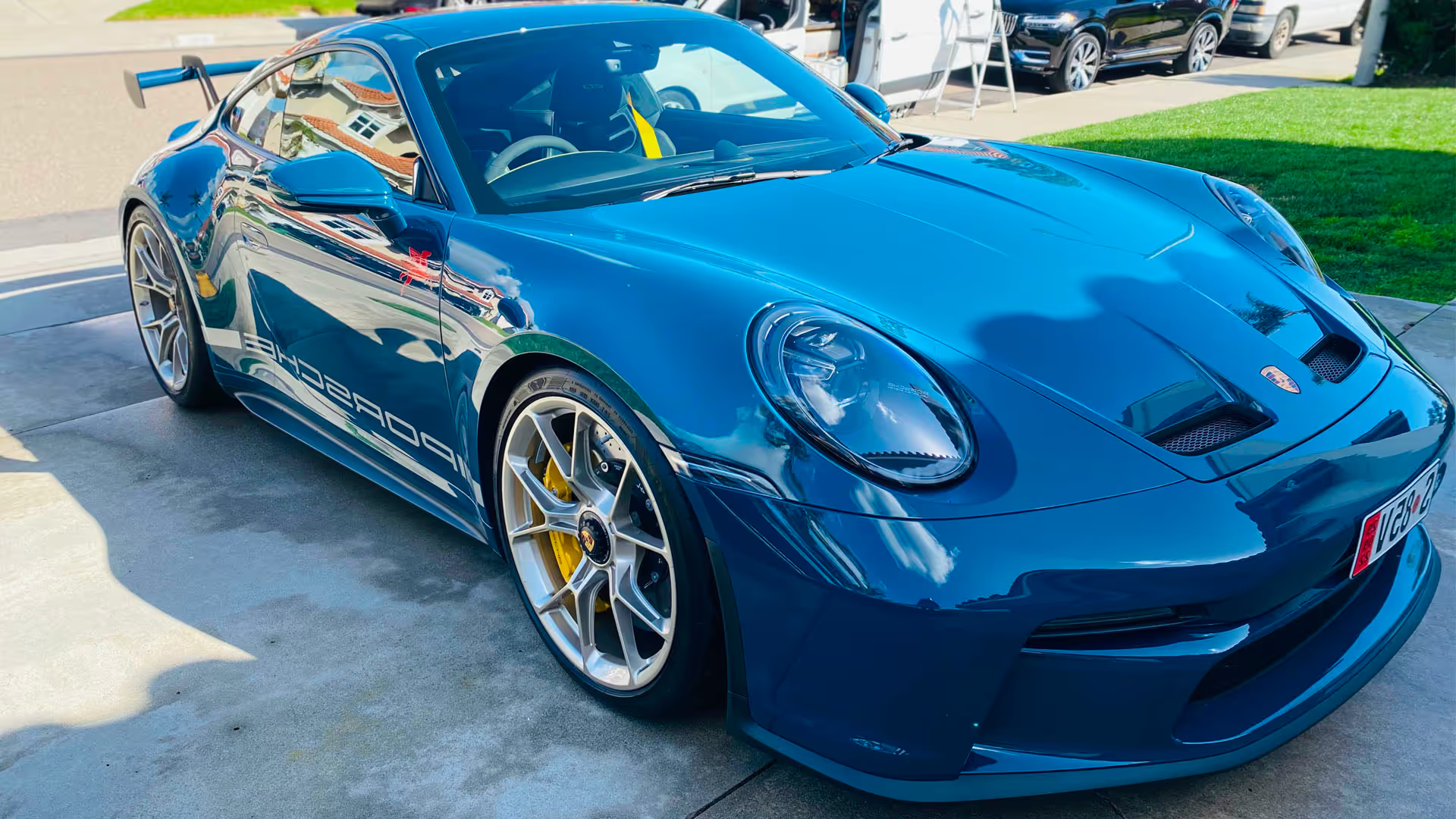
12 min read
Ceramic coating in San Diego runs from about $399 to $1,699. Here is exactly what changes that number, what each tier actually buys you, and how to read a quote.
Read the guide →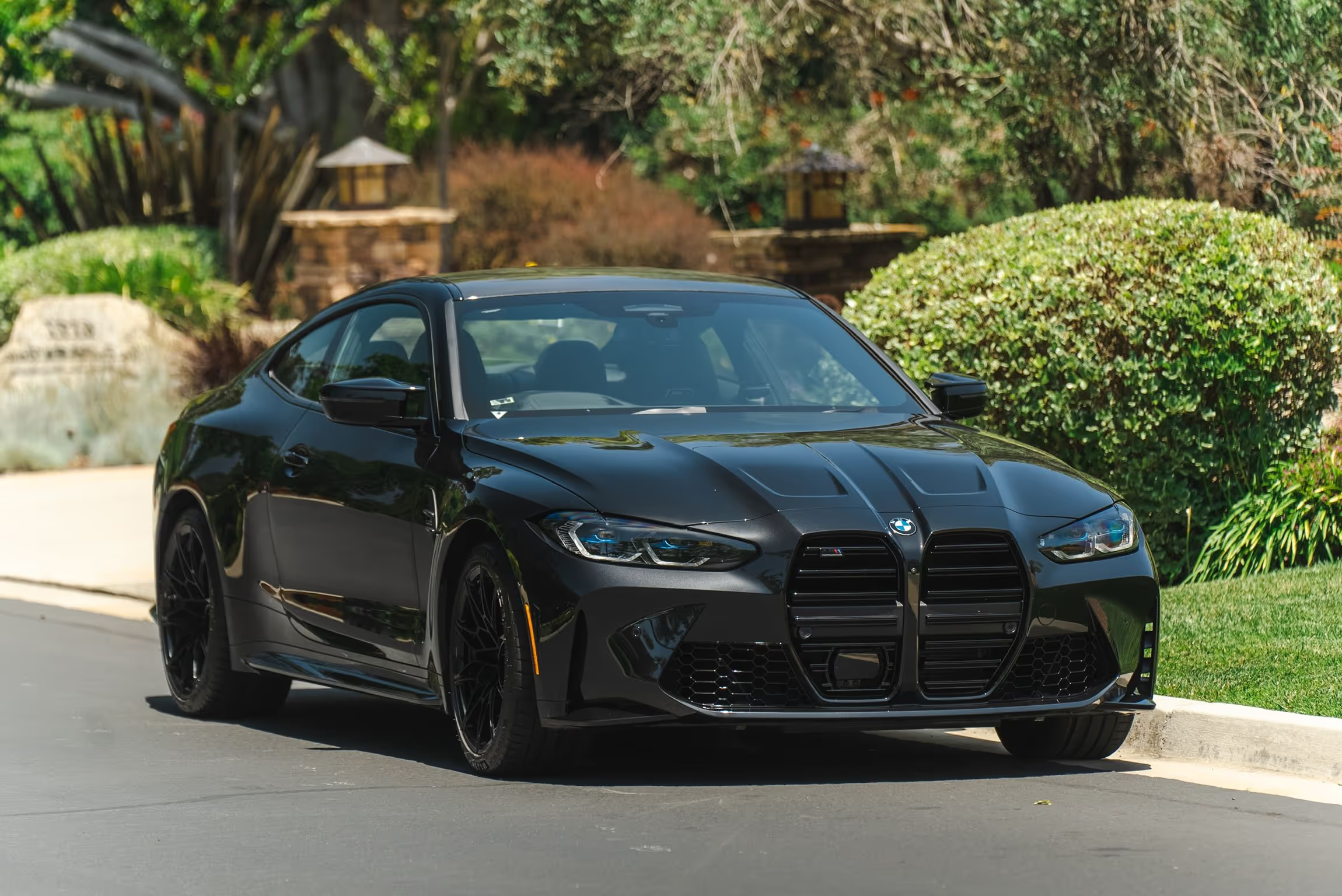
8 min read
Detailing prices in San Diego run from $139 to $349 depending on vehicle size and whether you want inside, outside, or both. Here is the full breakdown.
Read the guide →We bring the studio to you. Tell us your vehicle and we'll handle the rest.
Mon–Sun · 7AM – 7PM · San Diego County & Southern California