Both products are films that go over your factory paint, both are installed by hand, and both cost four figures on a full car. That is where the similarity ends. The two materials were built for different purposes: one absorbs damage, the other changes how the car looks.
PPF is protection. Paint protection film is a thick thermoplastic polyurethane layer that takes the hit from rock chips and road debris so the car paint underneath does not.
Vinyl is appearance. A car wrap is a thinner PVC film that exists to change color or finish, with light protection as a side effect.
The overlap is small. Vinyl will not stop a stone. Clear film will not turn your sedan satin black.
What paint protection film actually is
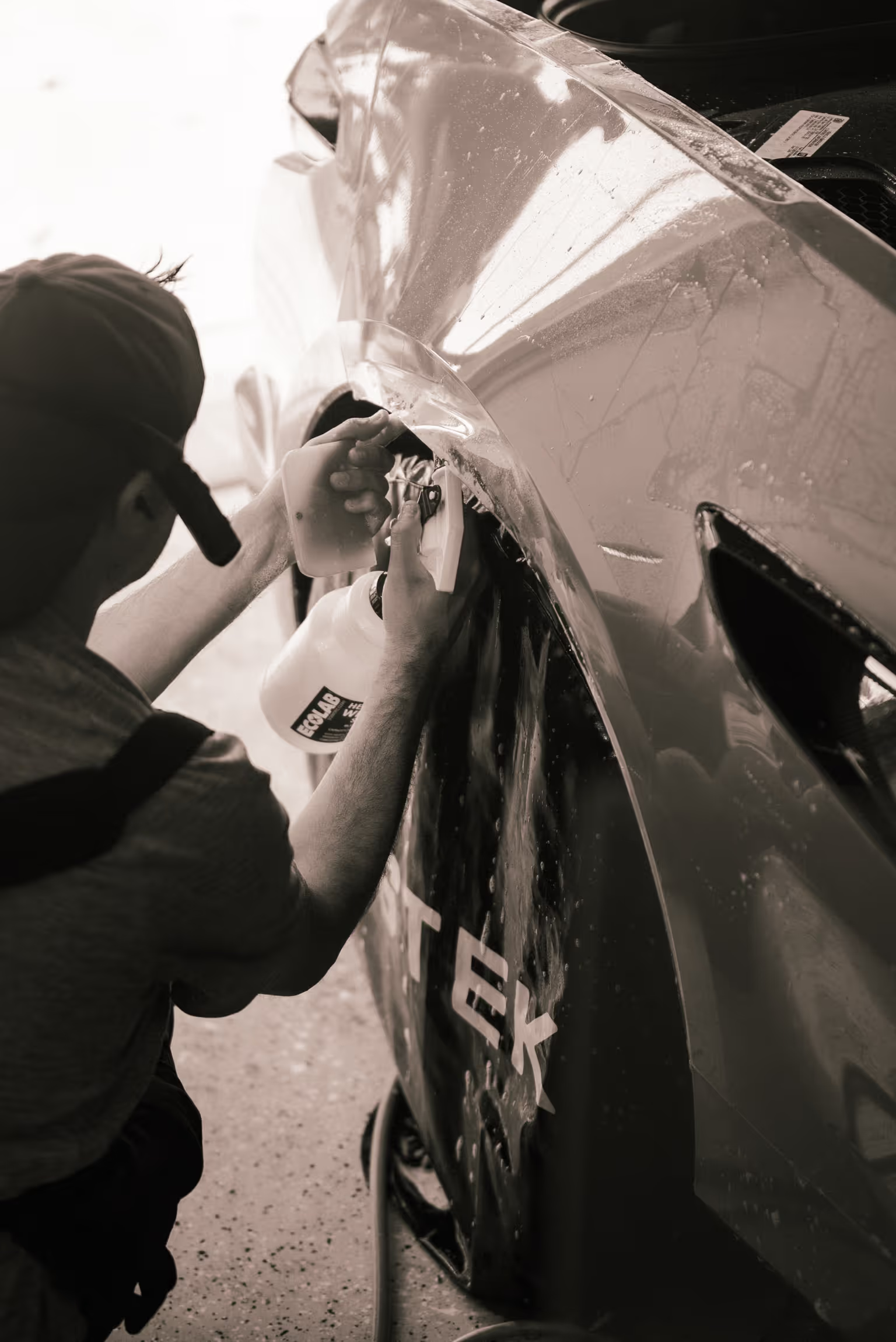
Paint protection film is a clear urethane layer applied over painted panels. The material matters: urethane is elastic and thick enough to deform under impact and spring back. When a rock comes off the truck ahead of you at freeway speed, the film absorbs the energy instead of the clear coat.
The Autobahn film we install has self-healing properties, so light scratches disappear as it relaxes, usually sped along by heat from the sun. It carries a lifetime Autobahn warranty on the film itself.
What it handles:
- Rock chips and paint chips. The core job, and nothing else on this page does it.
- Road debris, including the sand and grit thrown up on the I-5.
- Bug acid and bird droppings that would otherwise etch the clear coat.
- Light scratches, which the self-healing topcoat recovers from on its own.
What a vinyl wrap actually is
A vinyl wrap is a colored or textured film, usually polyvinyl chloride, applied over the whole vehicle to change the vehicle’s appearance. It is thinner than urethane film and it is not elastic in the same way, so it does not absorb impact meaningfully.
What a wrap is good at is customization. Gloss, satin, matte, chrome, color shift, printed graphics: a wrap opens a range of colors that paint would cost far more to reproduce, and it is reversible. Take the vinyl off and the factory paint is still there, which is why car owners wrap leased vehicles and cars they intend to sell in the original color.
A high-quality vinyl wrap does add a light barrier. It will stop a fingernail scratch reaching the paint and it blocks some UV rays from the panel underneath. What it will not do is stop a stone chipping through.
PPF vs vinyl wrap: the key differences
| PPF | Vinyl wrap | |
|---|---|---|
| Material composition | Thermoplastic polyurethane | Polyvinyl chloride, PVC |
| Primary purpose | Long-term protection | Customization and appearance |
| Thickness | Thick, absorbs impact | Thin, minimal impact resistance |
| Stops rock chips | Yes | No |
| Self-healing | Yes, with heat | No |
| Changes color | Only color PPF does | Yes, this is the point |
| Gloss | Adds depth to existing paint | Whatever finish you choose |
| Typical lifespan | 7 to 10 years | 3 to 5 years |
| Yellowing over time | Modern film resists it | Cheaper vinyl can fade or yellow |
| Typical coverage | Impact areas, or full body | Full body, for a consistent look |
| Starting cost with us | $1,000 partial front | Not a service we offer |
Durability, lifespan and longevity
Longevity is where the differences between PPF and vinyl are clearest. Quality urethane film is rated at 7 to 10 years, and ours carries a lifetime warranty on the film. Vinyl wraps last 3 to 5 years in automotive use, and they age faster in conditions like ours, because constant UV exposure breaks vinyl down first.
Sun is the deciding variable in San Diego County. A wrap parked outdoors year-round here will not last as long as the same wrap garaged in a mild climate, and matte and satin finishes show wear earlier. Urethane holds up better, because the material is designed for exposure rather than for color.
Both need proper care. Neither likes automatic brush washes, and both last longest with hand washing and a coating on top.
Cost comparison: film versus vinyl wrap installation
Protection film is priced by coverage, because a chip only happens where the rock lands. Every package includes the exterior detail, clay treatment and one-step polish, plus the lifetime film warranty.
| Package | Starting price | Coverage |
|---|---|---|
| Partial Front | $1,000 | Front bumper, partial hood (24 inches), partial fenders |
| Full Front | $2,000 | Adds entire hood, entire fenders and side mirrors |
| Full PPF | $4,000 | All exterior painted surfaces and headlights |
A full wrap on a normal car generally lands between those figures at a specialist installer, and it varies enormously with finish, panel complexity and how much disassembly the shop does. We do not quote wraps, so we will not invent one. On cost per year of service, urethane usually wins, because it lasts roughly twice as long.
Color PPF: the best of both worlds?
Color paint protection film is why this comparison has gotten more confusing recently. It is the same urethane manufactured in a color or finish rather than clear, so in principle you get impact resistance plus the appearance change.
It works, but it is the most expensive of the three options by a clear margin, the range of colors is narrower than vinyl, and not every shop stocks it. If your priority is a specific color at a sensible price, vinyl is the honest answer.
Can PPF and vinyl wrap be used together?
Yes, and more often than people expect. The usual order is vinyl first for the look, then clear film over the high-impact areas to protect it. Wrapping a car and chipping the wrap on the freeway in the first month is a frustrating outcome, and a partial front prevents it.
The reverse is not recommended. Vinyl needs a stable surface to bond to, and film edges and its slick topcoat make that unreliable.
A ceramic coating goes on top of either one. Coating the film keeps it from staining and makes the whole car shed water the same way. We cover that in ceramic coating vs PPF and ceramic coating vs wrap.
What we install, and what we do not
We install paint protection film, and we do not install wraps. That is worth saying plainly before you weigh our view on this comparison.
We do coat and maintain wrapped vehicles, so they are not foreign to us, and we will tell you honestly when a wrap is the better answer. If you want your car to be a different color, you want a wrap, and a wrap shop is who you should call.
PPF or vinyl wrap: which is the better choice?
You want the paint to survive your commute: protection film, front end at minimum.
You want the car to look different: a wrap. No clear film does that job.
New car you plan to keep: film on the impact areas plus a ceramic coating over everything.
Lease you are handing back: either protects the paint underneath, and both come off. Choose by whether chip charges or appearance matter more.
Show or performance car: full coverage, or color PPF if you want a finish change too.
Tight budget, one choice: partial front. It costs the least here and protects the panels that actually get hit.
The short version
On PPF vs vinyl wrap, one protects and one decorates. Paint protection film is a thick urethane that stops rock chips and lasts the better part of a decade. A wrap is a thinner vinyl film that changes color and finish, protects lightly, and lasts three to five years.
If protection is the goal, choose PPF and the decision is not close. If appearance is the goal, vinyl wins outright, and a partial front over the top keeps it intact.
We install across San Diego County and will give you a straight answer about whether you need it. Call (760) 310-1532 or book online. Pricing is on the paint protection film page, including Del Mar.